
Barndoor Bulletin: Local and Regional Elections 2026
- May 8, 2026
- Posted by: David Spencer
- Category: Barndoor Bulletin
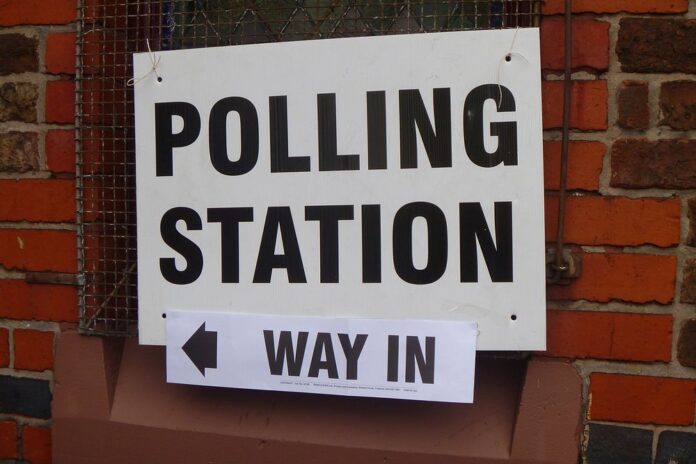
In the first major electoral test for the Labour Government since its 2024 general election landslide, local elections took place across England on 7th May, alongside devolved elections in Scotland and Wales.
Elections were held for 4,851 council seats across 134 of England’s 317 councils. All seats were contested in the 32 London boroughs, six county councils, six unitary authorities, 16 metropolitan districts, and three district councils. Half of seats were contested in seven district councils, and a third in 12 unitary authorities, 16 metropolitan districts and 38 district councils.
The results will have immediate practical consequences for government and business, with many incumbent Labour and Conservative councillors replaced by new Reform UK and Green representatives.
Headline results
As expected, the results showed a further shift away from the two-party system, with Labour and the Conservatives losing ground to Reform UK and the Greens. Labour lost nearly 1,400 council seats and control of 33 councils in England. Reform UK won almost 1,500 seats and control of 13 councils, including Sunderland. The Conservatives lost more than 500 councillors and six councils, while the Greens gained around 400 seats across England.
Reform UK won its first London council in Havering, taking control from a Residents Association-led coalition. In Hackney, the Greens ended Labour’s 24-year control, with similar results in Lambeth and Lewisham. Croydon remained Conservative-led.
The system of “election by thirds” limited even heavier losses for Labour and the Conservatives. In Manchester, where only a third of seats were contested, Labour lost 24 of the 30 seats it was defending, while Zack Polanski’s Greens gained 17.
Devolved legislatures
Elections were also held for the devolved legislatures in Wales and Scotland. Northern Ireland votes next year, having last held elections in 2022 rather than 2021.
In Wales, including votes from 16–18-year-olds, the electorate chose 96 Senedd members for a legislature with devolved powers over areas including education and healthcare.
- Labour collapsed, with Plaid Cymru emerging as the largest party on 43 seats. It was a major shift after a century of Labour dominance, and former First Minister Eluned Morgan lost her seat. Labour fell to just 9 seats.
- Reform UK came second with 34 seats, taking much of the Labour vote not won by Plaid. Its leader, Dan Thomas, is now Leader of the Opposition.
- The Conservatives fell to 7 seats, the Greens won 2, and the Liberal Democrats 1.
- Please note that there are no comparisons with the 2021 election because the Senedd has since expanded from 60 to 96 seats and now uses a new electoral system.
In Scotland, including votes from 16–18-year-olds, the electorate chose 129 MSPs. The Scottish Government oversees areas including education, the NHS and the environment.
- Despite a lower vote share than at the previous election, the Scottish National Party (SNP) won the most votes and 58 seats (-2), meaning it is likely to need agreements with other parties to govern.
- Reform UK won 17 seats (+16)
- Labour won 17 seats (-3)
- Green won 15 seats (+7)
- The Conservatives won 12 seats (-16)
- The Liberal Democrats won 10 seats (+5)
May 2026 elections implications
The UK’s two-party system is facing its most serious challenge in over a century. Many voters backed radical, new or populist parties promising change, underlining a wider sense that Britain is not working.
At the same time, the nationalist energy that followed the 2014 Scottish independence referendum appears to have faded further. Some observers note that the Welsh Parliament now contains a higher proportion of pro-independence representatives, even though independence was not central to that campaign. Plaid Cymru successfully positioned itself as the moderate alternative to Reform, aided by the collapse of the Yes Cymru movement last year.
The rise of the Green Party has also accelerated the erosion of Labour’s historic vote. The party has built a significant following in parts of the UK’s Muslim community under deputy leader Mothin Ali, while also attracting middle-class voters who might once have backed the Liberal Democrats, helping drive Zac Polanski’s Greens further into the mainstream.
The May 2026 elections may prove a tipping point for the two legacy parties that dominated post-war British politics. For now, they point to a more fragmented, European-style multi-party era, though one that remains highly unstable and could shift again quickly.
The most immediate consequence is the pressure now hanging over Keir Starmer, with public discontent and Labour’s historic losses fuelling a leadership challenge.