
Barndoor Bulletin: The Burnham Bounce continues on the banks of the Mersey
- October 2, 2026
- Posted by: David Spencer
- Category: Uncategorized
Labour Party Conferences since the 2024 General Election have been strangely downbeat affairs. Despite just winning a historic majority, even the 2024 edition had a sombre mood, far from what you would expect having secured such a recent stonking majority. It was easy to put that down to the Starmer drag. With the Prime Minister that won that landslide majority already defenestrated after a fairly catastrophic two years in power, many delegates arriving in Liverpool this year expected things to feel far more upbeat.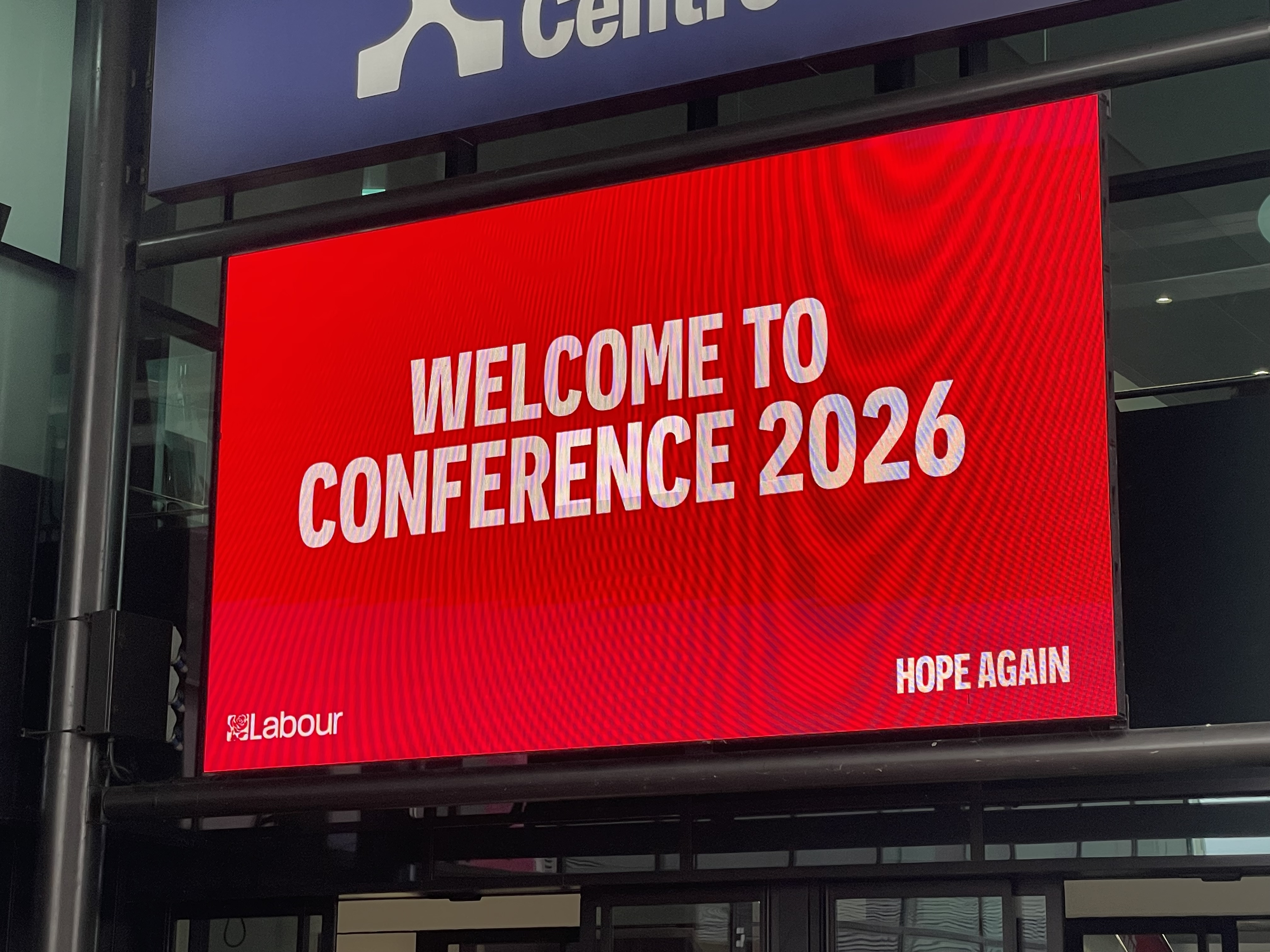
And they were. Well, up to a point, anyway. Perhaps unusually for a Party Conference, this year’s leader’s speech from newly elected (in every sense) Andy Burnham was absolutely the main takeaway.
Talking to Labour members and business delegates in the Pullman Hotel bar and around the Conference venue afterwards, people were undeniably upbeat after Burnham had laid down his vision for a Burnham Government post-2030. However, the enthusiasm was built more around the fact that, unlike his predecessor, Burnham is a polished public speaker who delivered a professional, emotionally engaging speech well beyond the capabilities of his predecessor. In quality it was the sort of speech we have not seen since the Blair era. Burnham is without doubt a skilled orator. However, in tone it was rooted in the rhetoric of the 1970s.
What was mostly lacking from delegates’’ assessment of his speech was the big elephant in the room: how Burnham pay for his key announcements? Establishing his National Care Service, building more council homes (without the right of tenants to buy them), establishing the Great British Grid (seemingly a public company to compete with the private sector to modernise the National Grid), not to mention the nationalisation of water companies (many of which are burdened with significant debt). Alone, each of these initiatives would require significant taxpayer money.
Burnham also pledged to introduce electoral reform. Of itself this is not new, it featured in the 2010 Labour manifesto; but it remains a huge political minefield even inside the Labour party itself. Meanwhile, there is little evidence of widespread public support outside the political left. He also pledged to remove the triple-lock on state pensions which is another political minefield no matter how statistics might suggest pensioners are one of the UK’s better-off economic groups.
But his biggest gamble of all was to reopen the Brexit debate by pledging to look at all possible options to bolster the UK’s relationship with the EU, including a second referendum. He even hinted at the prospect of Labour campaigning at the next election to rejoin – something even the rabidly pro-EU Lib Dems have been reluctant to suggest outside the confined cloisters of their party conference. A pledge to get closer to the EU certainly, an early offering for a future coalition government?
Should Burnham choose to rerun the Brexit debate, he risks everything else he believes in being lost in endless arguments about rebates, freedom of movement, and the euro. For a Prime Minister with such big domestic plans such as social care reform, it seems paradoxical and counter-productive that he wants to return to the mire of the Brexit debate.
The other far from insignificant elephant in the room as Burnham left the stage is the growing economic crisis generated by the world’s worsening security situation. Delegates liked what they heard so much that Burham received more than obligatory standing ovation. But what is he going to do to tackle the burning issues the UK faces now? All of his announcements were for things that he plans to do in the future or explicitly after the next General Election.
Burnham’s only comment on ballooning energy prices was to reheat the announcement of removing VAT on electricity. Already old news. The economy? Have to wait for the budget. Immigration? Apparently, the EU has all the answers? Crime and justice? Literally nothing. Defence spending? Nada.
So, while delegates left the hall with a spring in their step, there must have been one or two seeds of doubt sown there too.
Burnham has repeatedly dismissed the idea of an early general election – and that was never going to be announced here. No party leader is going to stand up in front of his elected MPs and tell a good number of them they are going to lose their jobs – which would inevitably be the case even in a best-case scenario. But by focusing on his post-election plans, Burnham will have done little to dampen the flames of speculation.
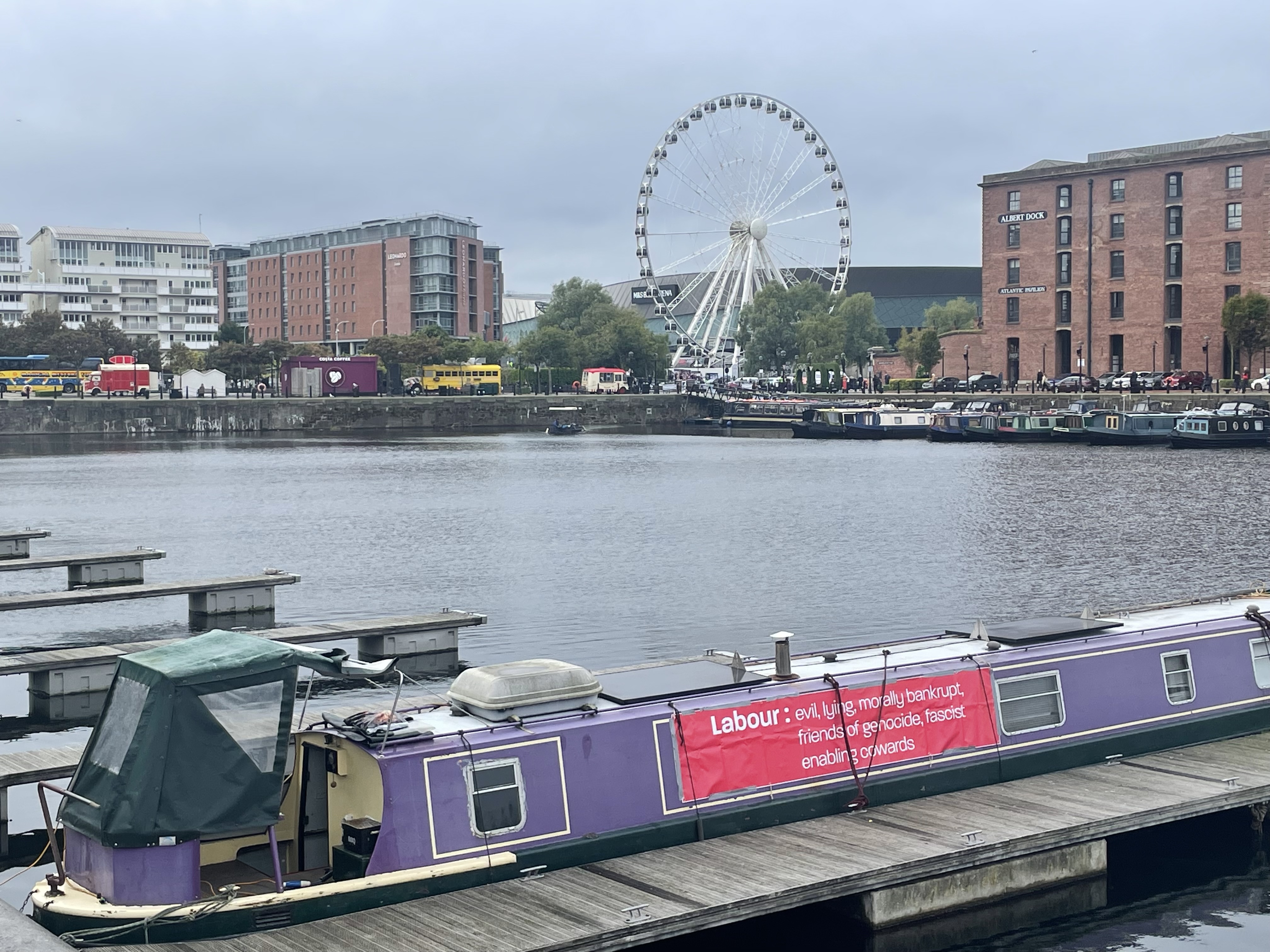 Elsewhere at the Conference, there was very little of substance to report. The usual suspects amongst Labour’s left-leaning backbenchers made their usual speeches no doubt to the horror of the Labour leadership. Worryingly perhaps for Labour there were noises off too. DESNZ Minister Martin McCluskey MP let slip that if he had his way the entire energy sector would be nationalised. Meanwhile, Jenny Riddell-Carpenter MP, who represents the bucolic Suffolk Coastal constituency, was subject to widespread derision for her widely reported claims at a fringe meeting that the rural idyll of warm ale and black labradors was “a far-right fantasy”. Labour’s landslide won them a range of seats in many rural parts of the country. These new members in some cases seem to sit ill at ease with their constituents. Good luck explaining labradors are “far right” to the burghers of Southwold, Aldeburgh, and Saxmundham.
Those few instances aside, most, ministers sat on panels and said very little, while most backbenchers sat on panels and betrayed their limited knowledge of a wide variety of topics, from local transport to nuclear power. There was little here to restore anyone’s faith in the political classes.
No doubt most Labour members and officials will consider their 2026 Party Conference a success. The Burnham bounce has been extended for a bit and there were no major own goals.
The question is, what next? Will Burnham, as he implied, proceed with cross-party talks and policy development on electoral reform, social care, and EU relations to give him a considered platform to take to the public in 2029? Or will he look at the polls and the travails of his opponents and decide to roll the dice now?
It does seem that given the right polling backdrop, many in Team Burnham would love to go the country to secure a fresh mandate soon. The problem is in the words of one of his wise predecessors: “Events, dear boy, events” Just as in the Macmillan era, an oil crisis can derail a government as certainly as it derails the Bank of England’s inflation forecasts.
If economic conditions improve, will we see a snap election in the next six months? No one is any clearer after five days in Liverpool, including it seems Team Burnham themselves.